
JEFF KESSLER for NEW HAMPSHIRE STATE REPRESENTATIVE
Newport, Unity, Charlestown
Sullivan County District 3
I look forward to a “New Hampshire Advantage” that works for all of our residents with a commitment of economic opportunities, strong public schools and building our communities for the future of New Hampshire.
Who I Am
Personal Background
I am a resident of Newport since 1989. I am married to a retired New Hampshire public school teacher who worked in the Hillsboro-Deering, Sunapee, and Claremont school districts. We have two grown children.
Public Service in Newport
I have served on the Newport Board of Selectmen since 2007, after previously serving one term from 1999 to 2002. In this role, I also serve on the Newport Zoning Board of Adjustment, Newport’s Budget Advisory Committee, and as a Commissioner for the Upper Valley Lake Sunapee Regional Planning Commission.
I am especially proud to have supported the community effort that led to the construction and 2025 opening of the LaValley Family Community Center, which was built at no cost to Newport property taxpayers.
School Board Service
I served on the Newport School Board from 1992 to 1997. During that time, the Newport campus of the Sugar River Valley Regional Technical Center opened at Newport High School.
Professional Experience
From 1999 to 2009, I worked for the Newport School District as the district’s Technology Coordinator.
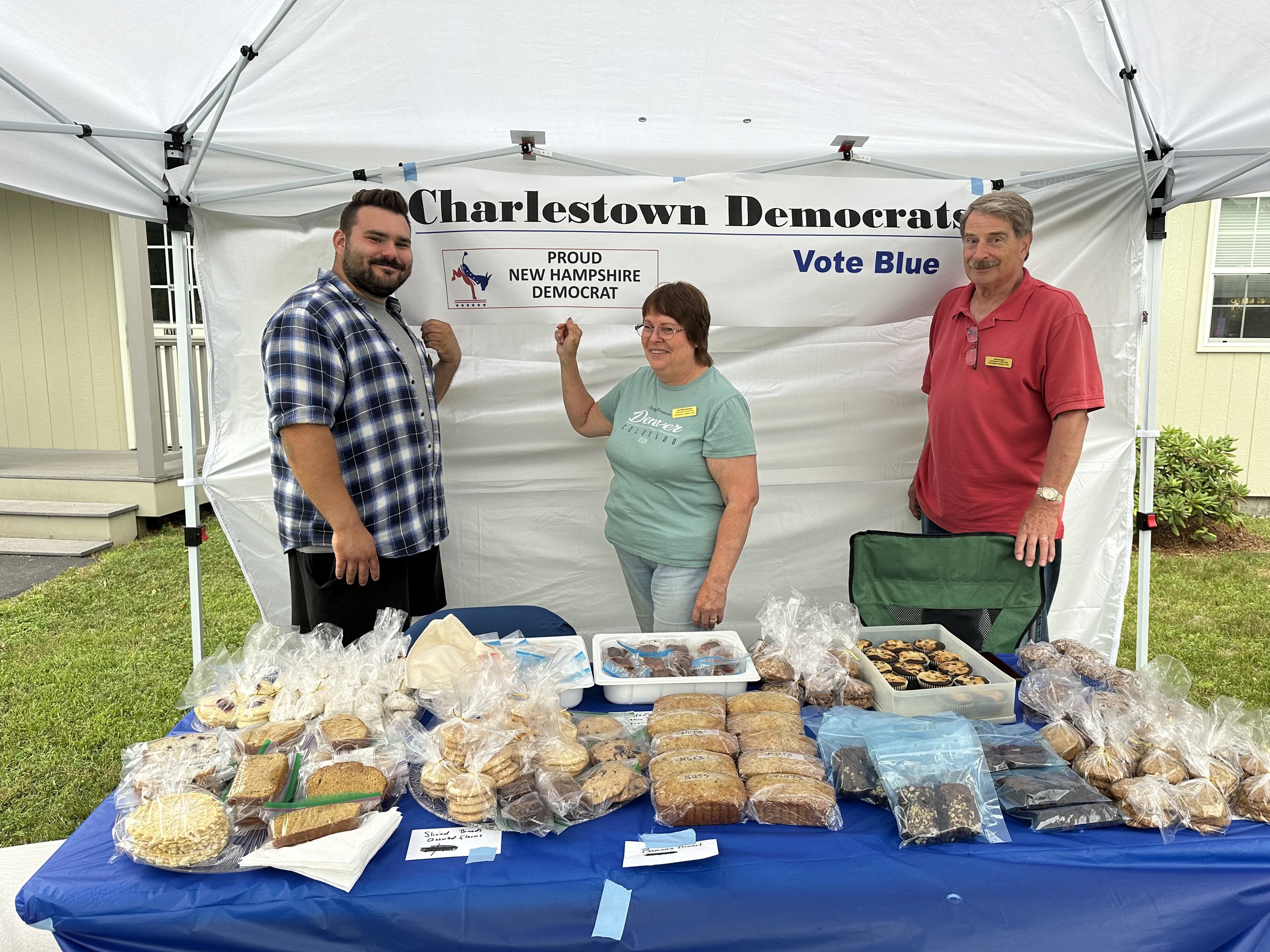
With my fellow Sullivan District 3 candidates, Tim Fitzpatrick and Lisa DeBartolomao.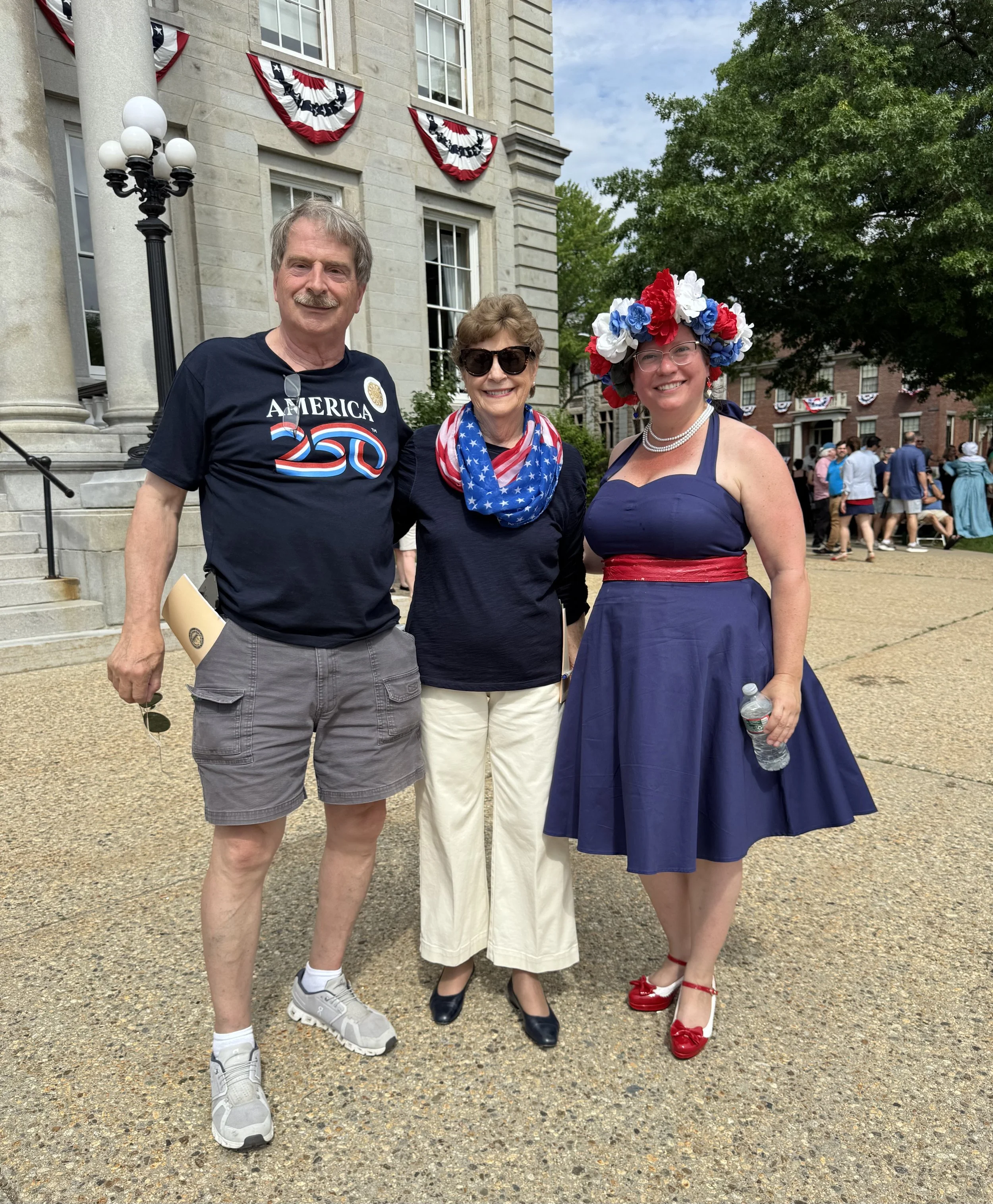
With US Senator Jeanne Shaheen and New Hampshire Executive Councilor Karen Liot Hill at the New Hampshire Statehouse on July 4, 2026.Why I Am Running
Relieve the Property Tax Burden on Local Communities
As a Selectman, I work with my fellow Selectmen to prepare and present annual budget requests that balance Newport’s community needs with residents’ ability to pay higher property taxes. This year, residents made it clear that household budgets could not absorb another increase, and they rejected the proposed town budget in search of relief.
Local taxpayers should not be expected to carry the growing burden of state obligations shifted onto towns and school districts. These costs include the state’s share of retirement expenses for first responders and teachers, school construction aid, road and bridge aid, and revenue sharing. The legislature must also fulfill its responsibility to establish and implement an equitable method for funding public schools, as required by the New Hampshire Constitution and affirmed by multiple court decisions.
We can begin meeting the state’s obligations by reversing recent revenue cuts and directing those resources back to local communities. Practical steps include restoring the Interest and Dividends Tax, returning the Business Enterprise Tax to recent levels, and limiting access to Education Freedom Account vouchers. Together, these steps could generate $200 million or more in state revenue while easing pressure on local property taxpayers.
Protect and Strengthen Public Education
Public education is personal to me. I am a former school board member and public school district employee, the husband of a public school teacher, and the father of two children who attended public schools. I have seen the dedication of our teachers and the results of their work in students who will become our next generation of citizens, workers, and leaders. Our regional public technical centers are also preparing students to enter the workforce and pursue meaningful career paths.
Yet the state continues to underfund public education while passing laws that make it harder for public schools to provide the high-quality education students deserve. Recent policy choices have lowered the definition of an adequate education in New Hampshire, promoted tax caps instead of real solutions to education costs, allowed voucher holders to take public school courses tuition-free, and advanced open-enrollment policies that could place additional strain on local districts.
Financial cuts to the community college system and the University of New Hampshire have also affected tuition and programs. We weaken our future when we price students out of public colleges and universities or limit the opportunities those institutions can provide.
Make New Hampshire More Livable for Families and Workers
New Hampshire is a beautiful place to live, but it is not an inexpensive one. Housing costs, limited availability, zoning restrictions, electricity rates, and heating costs all make it harder for families, workers, and young people to stay and thrive here. At the same time, our lakes and mountains, trails and forests, and strong local communities remain among the qualities that make this state special.
Building a better future requires balance: protecting what we cherish while making the practical changes needed to attract and retain the next generation of New Hampshire residents.
My State Candidate Survey for Citizens Count: https://www.citizenscount.org/candidate/jeffrey-f-kessler
Steven Snelling does an excellent job highlighting the 6 candidates and their positions for the three Sullivan County District 3 seats in the NH Legislature representing Charlestown, Unity and Newport. https://thequietcost.substack.com/p/on-the-list-what-charlestown-newport
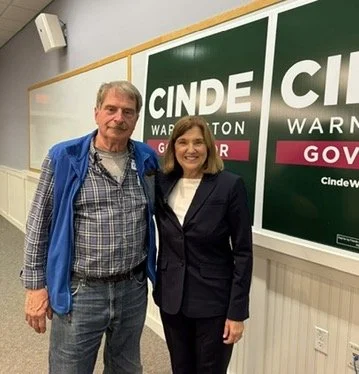
At a town hall with Cinde Warmington’s campaign for Governor. She remembered me from her time as Newport’s Executive Councilor>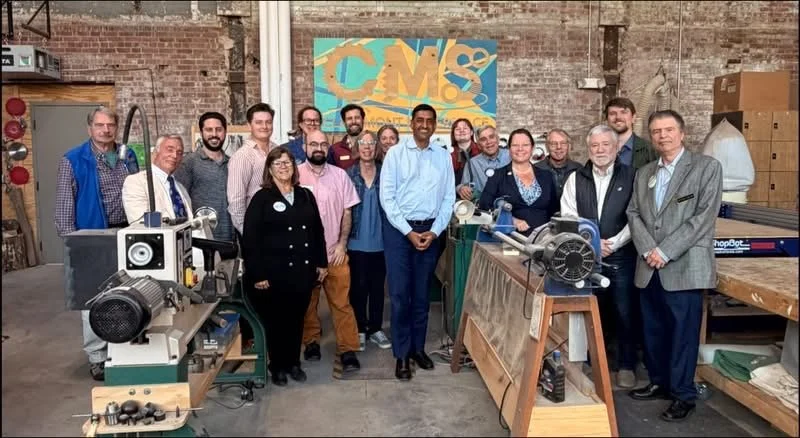
I attended a round table discussion with California Congressman Ro Khanna and other Sullivan County candidates and representatives about local issues
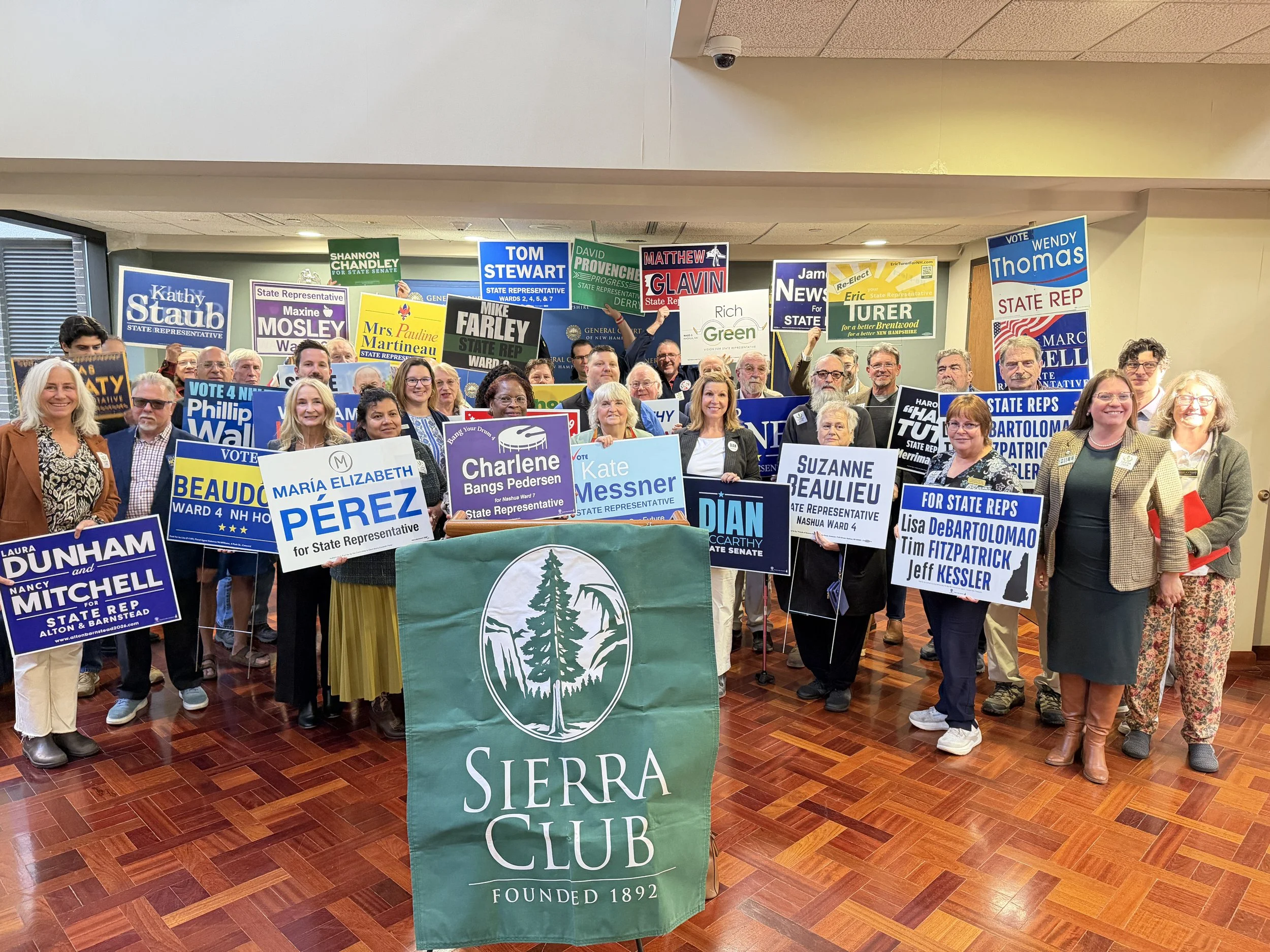
I am honored to announce that my candidacy for the New Hampshire State Legislature to represent Newport, Unity and Charlestown has been endorsed by the Sierra Club's New Hampshire Chapter!
Their announcement is at https://www.sierraclub.org/.../2026-nh-political-team... and my 1 minute of fame at the podium starts 42 minutes into the video.
Thank you Sierra Club for your support my campaign and the other 146 New Hampshire candidates you have endorsed.